Why Texas Everbearing Became One of My Favorite Fig Trees
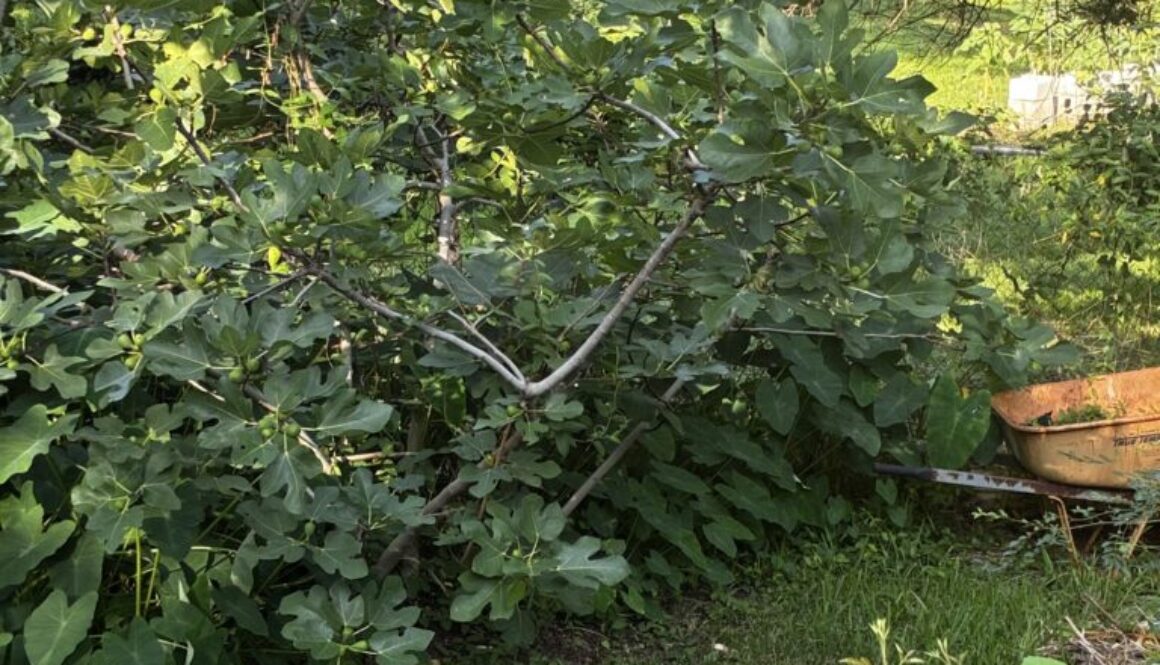
When people ask me which fig tree they should plant first, I usually recommend Texas Everbearing, also known as the Texas strain of Brown Turkey.
There are hundreds of fig varieties available, each with its own unique flavor, appearance, and growing habits. Some produce incredibly large fruit. Others are prized for exceptional sweetness or unusual colors. Every variety has something to offer.
For me, though, choosing a tree wasn’t just about producing great-tasting figs. I wanted a variety that could consistently perform in the climate where I grow.
Built for Southern Summers
Anyone who gardens in Texas or Louisiana knows our summers can be demanding.
Long stretches of heat, periods of drought, sudden heavy rains, and high humidity all test a fruit tree’s ability to produce quality fruit. I wanted a fig that could handle those conditions while continuing to grow and produce throughout the season.
Texas Everbearing has earned that reputation over many years.
Once established, it’s known for producing a long harvest, tolerating Southern heat exceptionally well, and rewarding growers with dependable crops year after year.
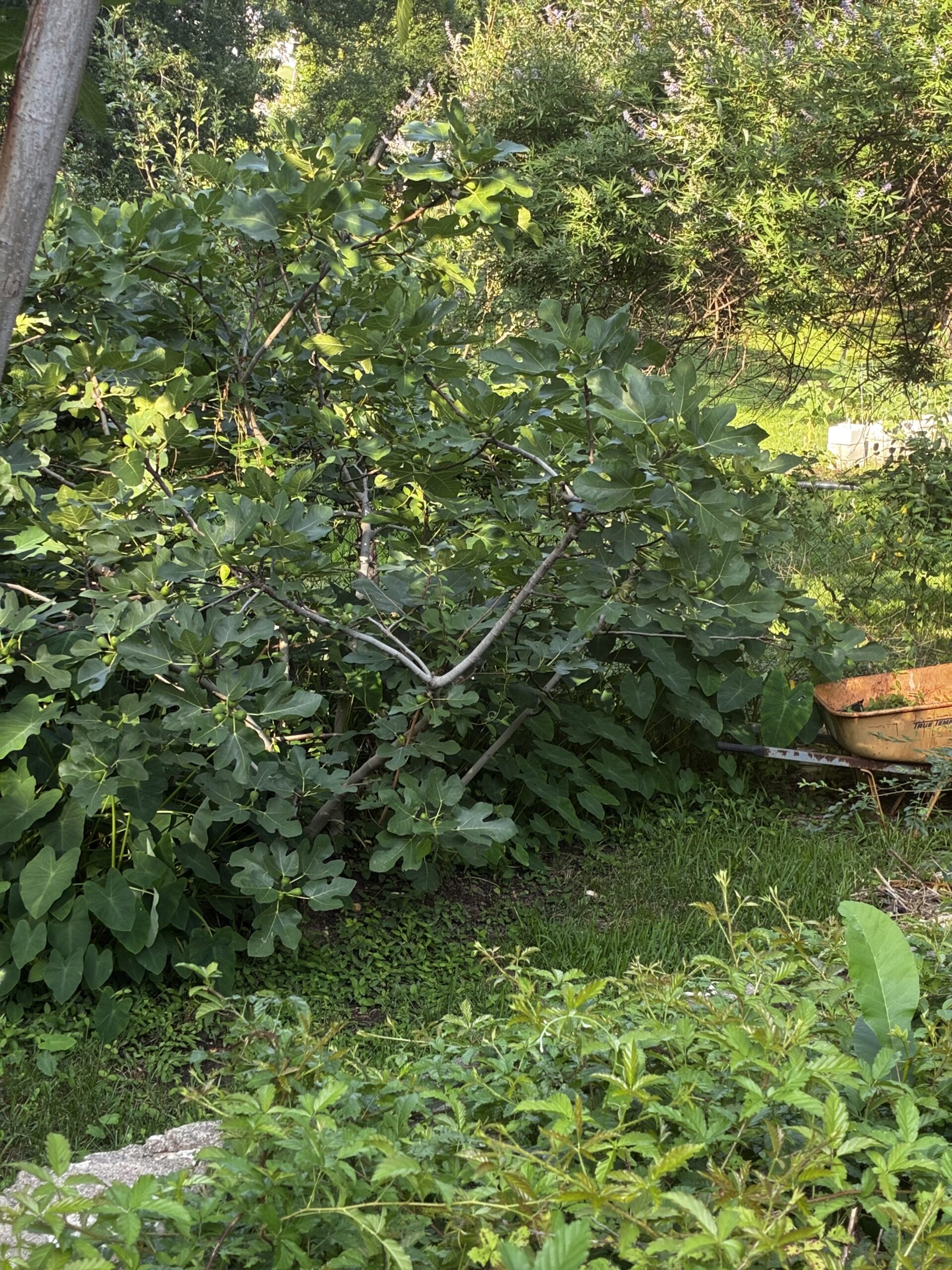
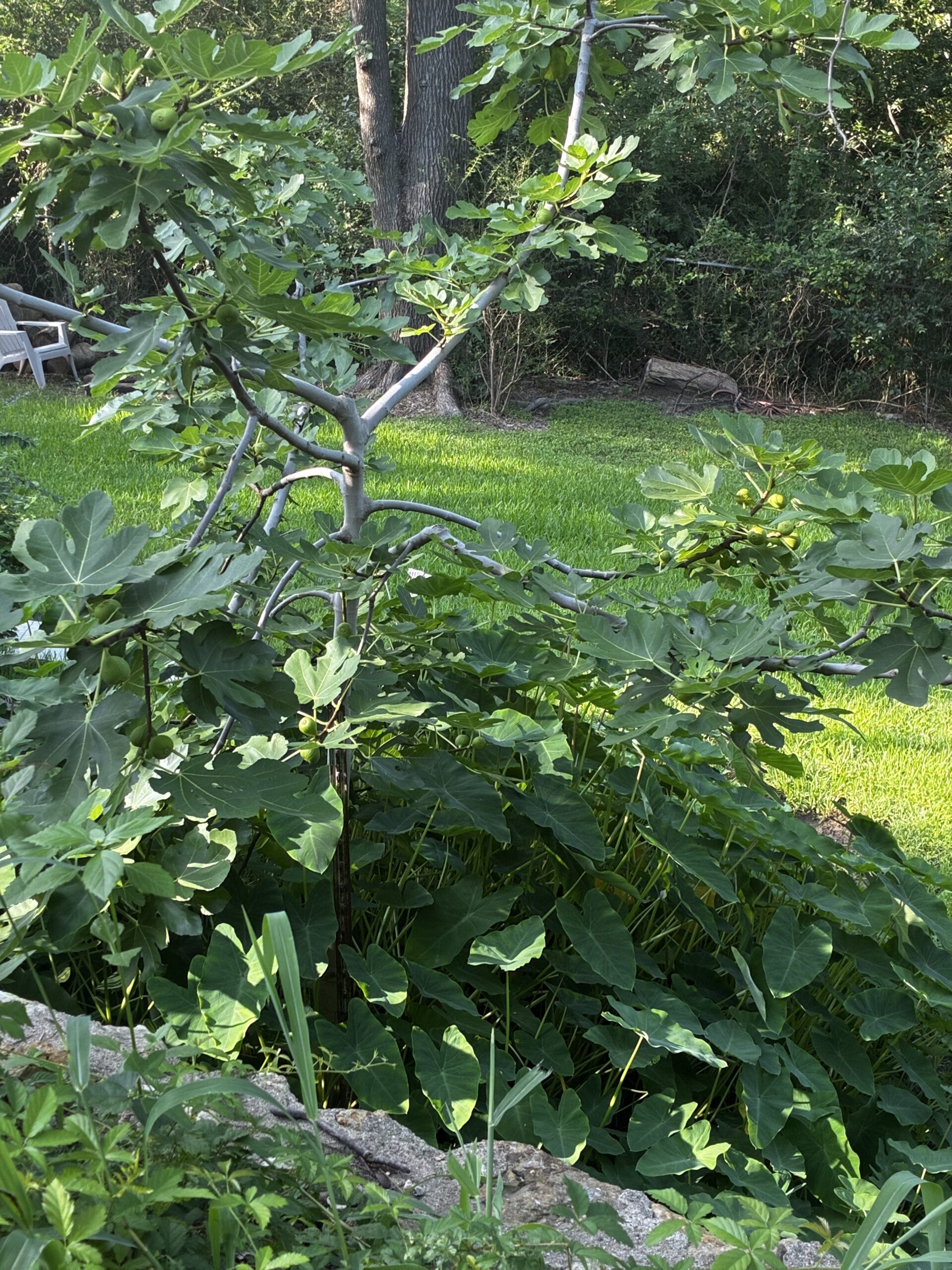
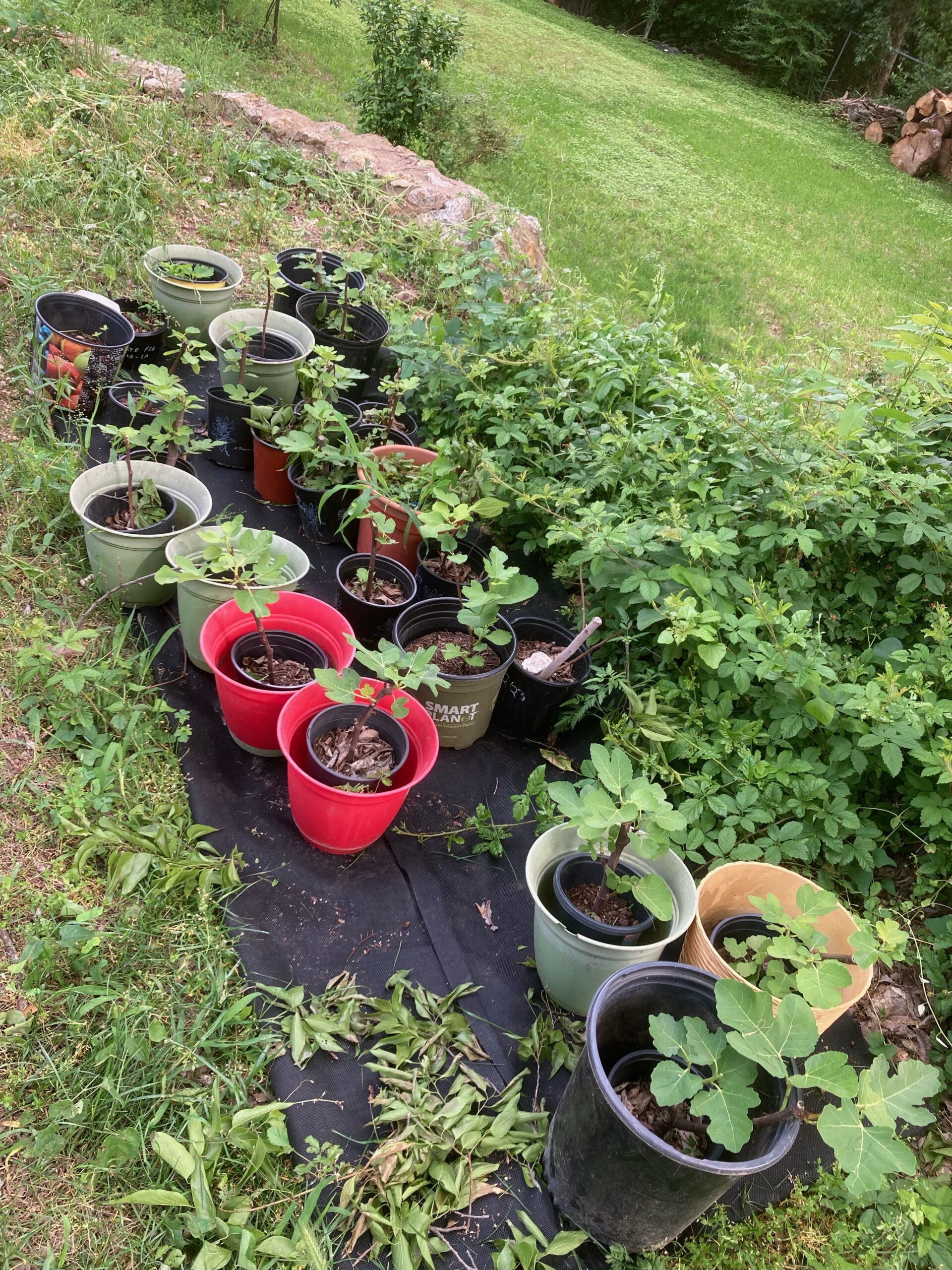
What Makes Texas Everbearing Special?
Some of the reasons this variety has become one of my favorites include:
-
Produces over an extended summer harvest
-
Excellent heat and humidity tolerance
-
Dependable production once established
-
Large, sweet figs with a mild, enjoyable flavor
-
Well suited for both beginner and experienced growers
It’s simply a tree that wants to grow.
A Variety With History
Brown Turkey figs are believed to trace their origins to the Mediterranean region, where figs have been cultivated for thousands of years. As the variety spread throughout the world and eventually reached the United States, growers began selecting trees that performed especially well in their local climates.
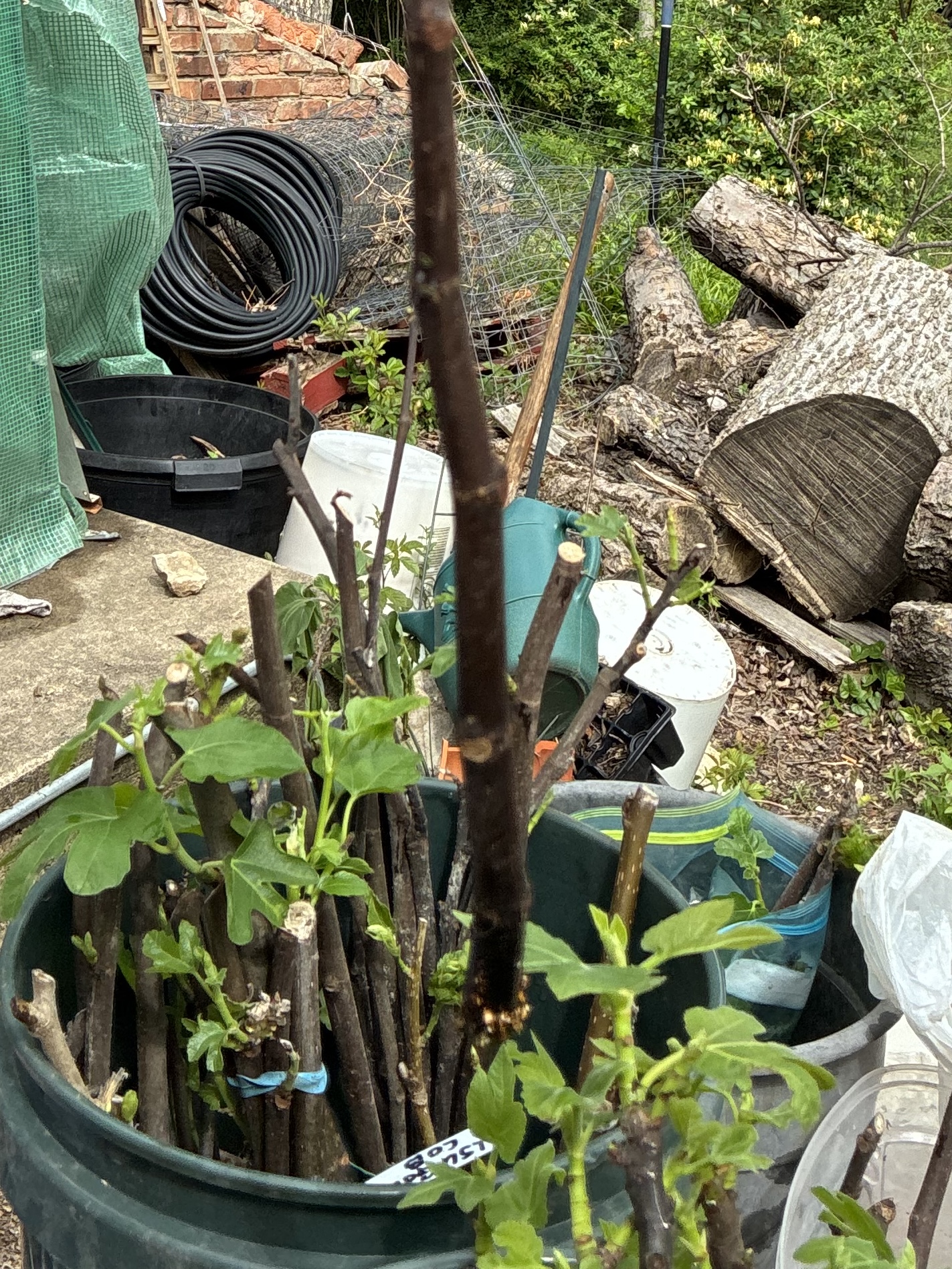
Over time, regional strains developed, and the Texas Everbearing selection became well known across the Southern United States. Gardeners shared cuttings with neighbors and friends because the tree consistently handled heat, humidity, and challenging growing conditions while continuing to produce quality fruit.
That tradition of sharing is still one of my favorite parts of growing figs today.
More Than Just Growing Fruit
One thing I’ve learned through growing figs is that every productive tree represents years of care.
Healthy harvests come from paying attention to watering, improving the soil, pruning when needed, and simply spending time observing your trees throughout the seasons.
The harvest is the reward, but the journey is what makes it meaningful.
Why I Continue Growing It
Every fig variety has its strengths, and I’m always excited to grow and compare different cultivars in our orchard.
But if someone told me they only had room for one tree in their backyard, Texas Everbearing would be one of the first varieties I’d suggest. It has consistently shown itself to be productive, resilient, and well suited for life in the South.
Whether you’re planting your very first fig tree or expanding your orchard, it’s a variety that’s earned its place in gardens across generations.
I’d love to hear from other growers.
What’s your favorite fig variety, and what made you choose it?
If you’re interested in following our orchard, exploring different fig varieties, or learning more about growing figs in the South, be sure to browse the rest of our Orchard Journal. We’re documenting the journey one season at a time and sharing what we learn along the way.
I especially like the closing because it invites readers into the broader purpose of the Orchard Journal rather than ending with a sales pitch. Over time, these articles will create a library that reflects your own experience while welcoming other growers to share theirs.